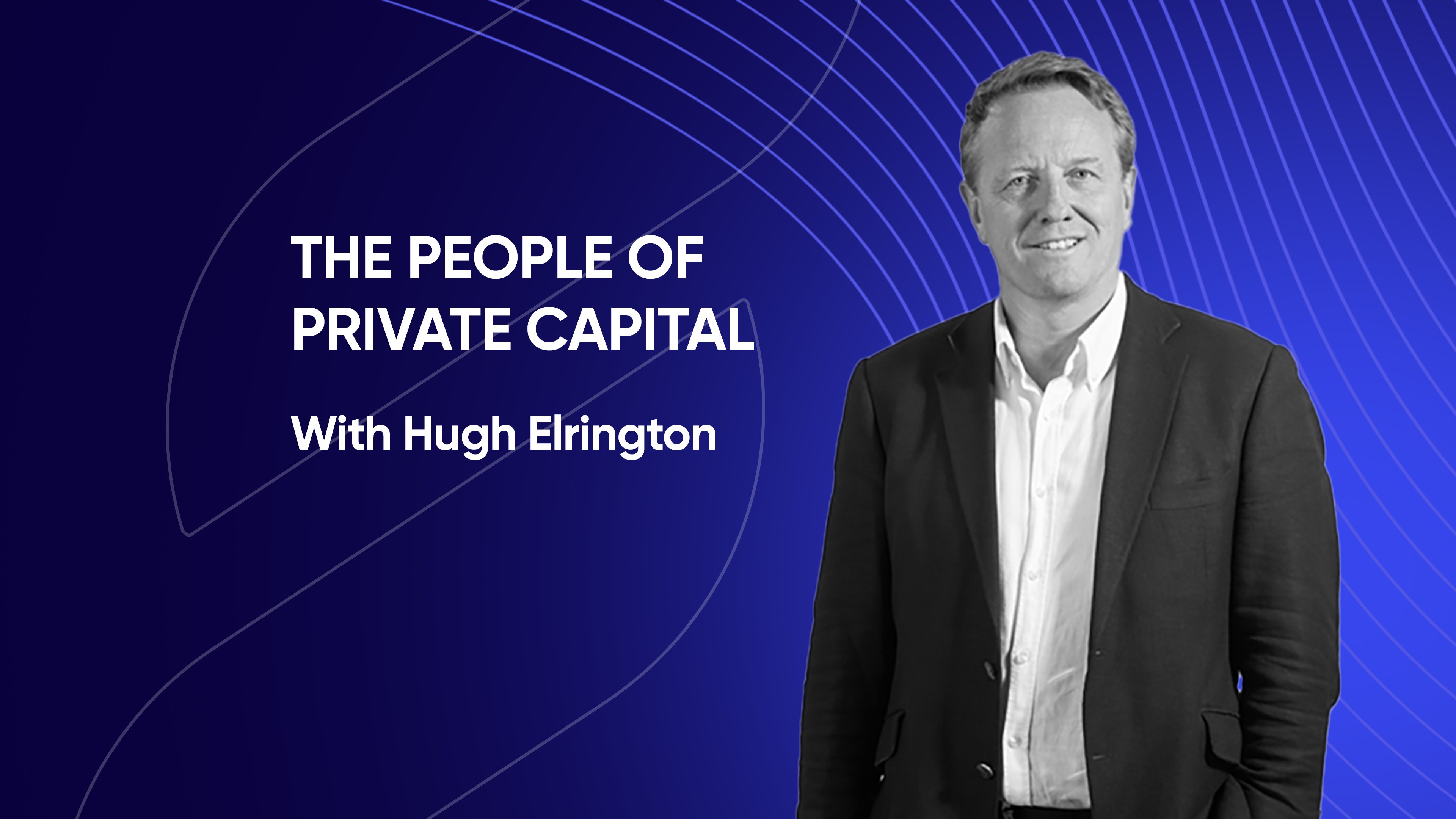
Damian Browne: - Lessons from an extreme adventurer for the Private Capital Sector

Ferdi Roberts interviews Damian Browne on his journey from pro rugby to extreme adventures, ocean rows, and the mindset that drives resilience and growth.

Ferdi Roberts, Damian Browne

90 MINS

Ferdi Roberts sits down with Damian Browne, former professional rugby player turned extreme adventurer, to explore his journey from elite sport to some of the world’s toughest endurance challenges. From rowing solo across the Atlantic (twice) to completing ultramarathons and scaling five of the Seven Summits, Damian shares the mindset, methods, and “crucible moments” that forged resilience and focus.

Key Topics

Damian reflects on transforming setbacks into growth, developing an “iron mind,” and the lessons leaders can draw from extreme environments.

Key discussion areas include:

  • Early Turning Point: From being dropped from his school rugby team to signing a professional contract within two years by taking ownership of fitness and discipline.

  • Professional Rugby Career: Sixteen years with clubs like Northampton Saints and Leinster, winning the Heineken Cup and learning to thrive under pressure.

  • Transition to Extreme Adventure: Why he sought harder challenges—ultramarathons, summits, and ultimately rowing oceans.

  • The Decisive Moment: Recognizing when the mind demands you quit and learning to persist.

  • North Atlantic Row: Setting out with teammate Gussy Farrell, dealing with Gussy’s medical evacuation, and continuing solo for 2,500+ nautical miles.

  • Facing the Elements: Capsizes, storms, water ingress, and 500 miles of rowing backward due to currents.

  • Beauty Amid Challenge: Whale encounters, a 1,000-strong school of dolphins, and the emotional highs of nature at sea.

  • Arrival in Galway: After 112 days, landing dramatically on the rocks near Furbo, too weak to walk but completing history’s first New York-to-Galway row.

What You’ll Learn

Listeners will gain:

  • How ownership and discipline can transform setbacks into growth.

  • Techniques for managing fear, uncertainty, and “decisive moments” under extreme pressure.

  • Why perspective, gratitude, and focusing only on what’s in your control are key to resilience.

  • Lessons on leadership, perseverance, and preparation that apply far beyond sport and adventure.

  • A reminder that beauty and meaning often appear alongside adversity.
Frequently asked questions

What is Asset Class?

Asset Class is a platform built for private capital firms. It combines CRM, investor relations, fundraising, and portfolio management into a single connected platform built on Salesforce infrastructure, serving PE, VC, real estate, private debt, family offices, hedge funds, and wealth management firms.

Who uses Asset Class?

Asset Class is used globally by private capital firms across private equity, venture capital, real estate, private debt, family offices, hedge funds, registered investment advisers, wealth managers, corporate venture capital arms, and fund administrators, from emerging managers to large multi-strategy firms.

What problem does Asset Class solve?

Asset Class solves fragmented workflows at private capital firms by bringing CRM, investor relations, fundraising and portfolio reporting into one system of record, where every piece of data is connected, auditable and real-time. Athena, the AI layer of Asset Class, answers plain-language questions on any record and drafts reports and follow-ups for your team to approve. Every answer cited to source.

Is Asset Class built on Salesforce?

Yes, Asset Class is built on Salesforce's Force.com platform, inheriting the world's leading CRM engine, enterprise-grade security, and access to thousands of pre-integrated apps on the Salesforce AppExchange. Existing Salesforce clients can easily deploy Asset Class within their current org.

How does Asset Class help private capital firms grow?

Asset Class helps private capital firms grow by automating fundraising, investor onboarding, capital calls, distributions and portfolio reporting on one platform, so teams can spend their time on deals and investor relationships. Athena, the AI layer of Asset Class, ranks your book by opportunity with its Relationship Score and drafts tailored follow-ups for your team to approve, so firms engage the right LPs first.

What is Athena in Asset Class?

Athena, the AI layer of Asset Class, gives every member of your team their own Claude-embedded AI agent for investor relations, business development, finance, compliance or portfolio management. Each agent works only within that person's permissions. Athena reads your firm's data, drafts the work and queues it for review. Your team approves, amends or rejects each item, and the decision, approver and timestamp are recorded.

Which AI model does Asset Class use?

Asset Class uses Claude, the AI model built by Anthropic. Athena, the AI layer of Asset Class, embeds Claude across the platform and connects it to your records, documents and actions. Asset Class accesses Claude through Anthropic's commercial API, so your firm's data is never used to train AI models. Each agent can only see and act on data its user is permitted to access.

Does Asset Class automate data entry?

Yes, Asset Class captures data from the sources your firm already has. Athena, the AI layer of Asset Class, scans subscription agreements, side letters, statements, notices, meeting transcripts, email, calendars and external data sources, then stages the extracted details on the right record. Nothing Athena stages updates a record until a permitted user signs off, and each approver is logged.

What is Asset Class?

Asset Class is a platform built for private capital firms. It combines CRM, investor relations, fundraising, and portfolio management into a single connected platform built on Salesforce infrastructure, serving PE, VC, real estate, private debt, family offices, hedge funds, and wealth management firms.

Who uses Asset Class?

Asset Class is used globally by private capital firms across private equity, venture capital, real estate, private debt, family offices, hedge funds, registered investment advisers, wealth managers, corporate venture capital arms, and fund administrators, from emerging managers to large multi-strategy firms.

What problem does Asset Class solve?

Asset Class solves fragmented workflows at private capital firms by bringing CRM, investor relations, fundraising and portfolio reporting into one system of record, where every piece of data is connected, auditable and real-time. Athena, the AI layer of Asset Class, answers plain-language questions on any record and drafts reports and follow-ups for your team to approve. Every answer cited to source.

Is Asset Class built on Salesforce?

Yes, Asset Class is built on Salesforce's Force.com platform, inheriting the world's leading CRM engine, enterprise-grade security, and access to thousands of pre-integrated apps on the Salesforce AppExchange. Existing Salesforce clients can easily deploy Asset Class within their current org.

How does Asset Class help private capital firms grow?

Asset Class helps private capital firms grow by automating fundraising, investor onboarding, capital calls, distributions and portfolio reporting on one platform, so teams can spend their time on deals and investor relationships. Athena, the AI layer of Asset Class, ranks your book by opportunity with its Relationship Score and drafts tailored follow-ups for your team to approve, so firms engage the right LPs first.

What is Athena in Asset Class?

Athena, the AI layer of Asset Class, gives every member of your team their own Claude-embedded AI agent for investor relations, business development, finance, compliance or portfolio management. Each agent works only within that person's permissions. Athena reads your firm's data, drafts the work and queues it for review. Your team approves, amends or rejects each item, and the decision, approver and timestamp are recorded.

Which AI model does Asset Class use?

Asset Class uses Claude, the AI model built by Anthropic. Athena, the AI layer of Asset Class, embeds Claude across the platform and connects it to your records, documents and actions. Asset Class accesses Claude through Anthropic's commercial API, so your firm's data is never used to train AI models. Each agent can only see and act on data its user is permitted to access.

Does Asset Class automate data entry?

Yes, Asset Class captures data from the sources your firm already has. Athena, the AI layer of Asset Class, scans subscription agreements, side letters, statements, notices, meeting transcripts, email, calendars and external data sources, then stages the extracted details on the right record. Nothing Athena stages updates a record until a permitted user signs off, and each approver is logged.

See how AI transforms Private Capital operations

Your competitors are still filling in spreadsheets. You're closing rounds. Asset Class is the unfair advantage that separates the firms who scale from the firms who stall

See how AI transforms Private Capital operations

Your competitors are still filling in spreadsheets. You're closing rounds. Asset Class is the unfair advantage that separates the firms who scale from the firms who stall