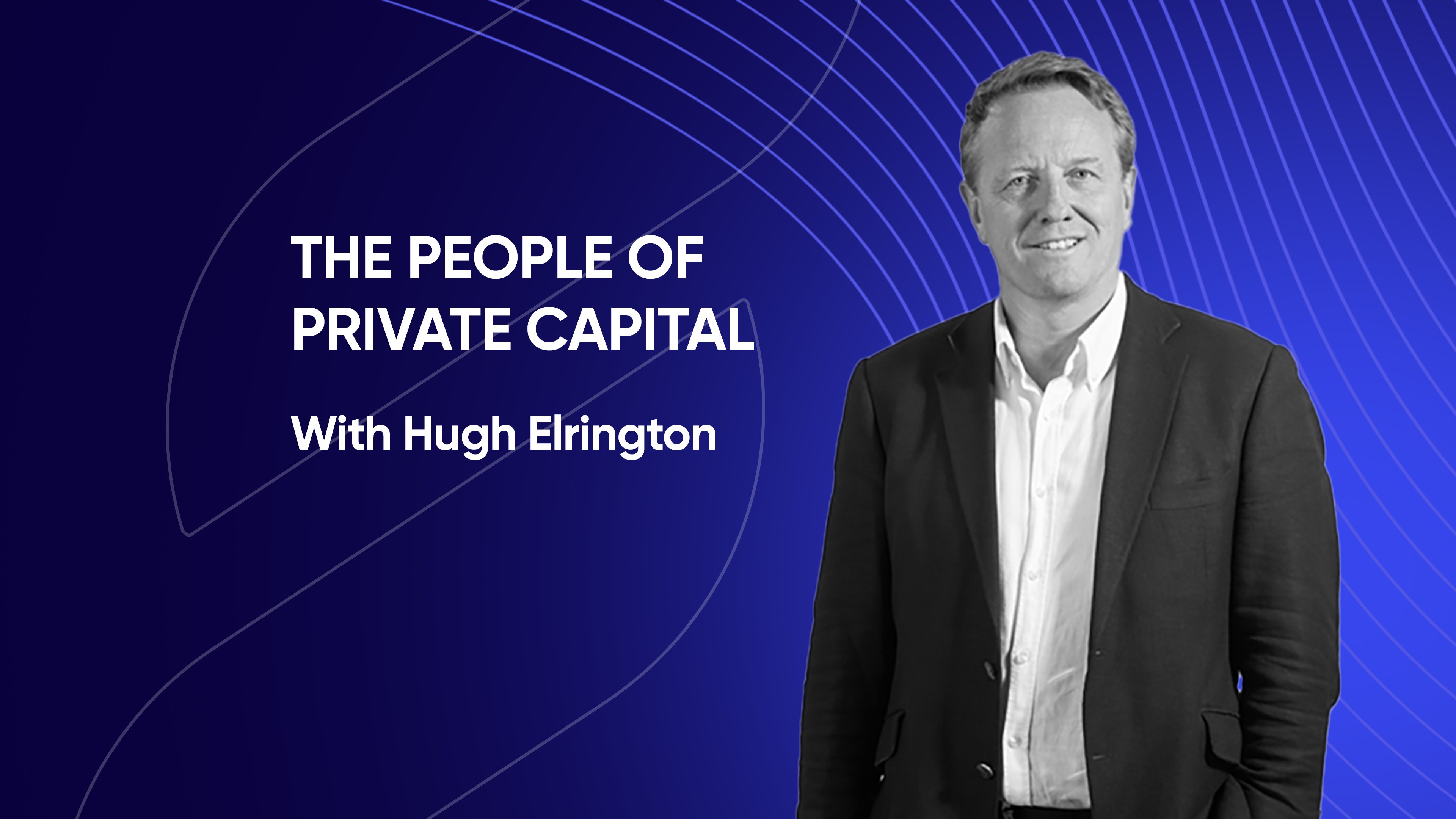
Paul Welch : Head of Private Equity at Elizabeth Park Capital - Driving Impact Through the Mission Driven Bank Fund

Ferdi Roberts interviews Paul Welch of Elizabeth Park Capital on community banks, the Mission Driven Bank Fund, and investing in MDIs/CDFIs for impact.

Ferdi Roberts, Paul Welch

48 MINS

Join Ferdi Roberts as he sits down with Paul Welch, Portfolio Manager at Elizabeth Park Capital Management, to trace his path from Wharton and Hamilton Lane through Ariel and Penn Capital to mission-driven investing. Hear how board work in fintech reshaped his investor lens, why community banks matter, and how the Mission Driven Bank Fund (an FDIC-initiated public–private partnership) channels capital to MDIs and CDFIs to expand access to financial services.


Key Topics

Paul connects early influences (only-child discipline, competitive sports, parents in education and pharma) to a career spanning public and private markets. He discusses humility in investing, philanthropy through financial education, and why lifelong learning is essential in a rapidly evolving banking landscape.


Key discussion areas include:


  • Transition from municipal finance to private markets at Hamilton Lane, then to public equities inspired by Ariel Investments’ long-term, team-driven approach

  • A decade at Penn Capital: covering equities and high-yield bonds, co-PM experience, and the value of seeing cap structures from both sides

  • Patriot Financial Partners: minority positions in community banks, board seats, and hands-on exposure to fintech operating realities (cash burn, 12–18 month raises)

  • The Mission Driven Bank Fund at Elizabeth Park: purpose, target raise, anchor support, CRA-driven bank LP interest, and partnerships with Calvert Impact Capital and Strategic Bank Value Partners

  • Philanthropy and education: Ariel Community Academy and board service at Jezù School (Philadelphia) to bring investing literacy to underserved communities

  • Mindset shifts from a serious health event and how humility, patience, and structured learning inform better decisions


What You’ll Learn


  • How cross-training in public equities, private equity, and boards creates sharper judgment and founder empathy

  • Why MDIs/CDFIs are pivotal to community outcomes—and how structured capital plus operating support unlock impact

  • How CRA incentives and anchor LPs shape fundraising for mission-aligned vehicles

  • Practical differences between modeling a thesis and operating reality in fintech (runway, capital cycles, governance)

  • A repeatable framework for lifelong learning in finance: seek opposing views, formalize education, and immerse in operator perspectives

  • Why humility and long-term thinking remain durable edges in investing and firm building
Frequently asked questions

What is Asset Class?

Asset Class is a platform built for private capital firms. It combines CRM, investor relations, fundraising, and portfolio management into a single connected platform built on Salesforce infrastructure, serving PE, VC, real estate, private debt, family offices, hedge funds, and wealth management firms.

Who uses Asset Class?

Asset Class is used globally by private capital firms across private equity, venture capital, real estate, private debt, family offices, hedge funds, registered investment advisers, wealth managers, corporate venture capital arms, and fund administrators, from emerging managers to large multi-strategy firms.

What problem does Asset Class solve?

Asset Class solves fragmented workflows at private capital firms by bringing CRM, investor relations, fundraising and portfolio reporting into one system of record, where every piece of data is connected, auditable and real-time. Athena, the AI layer of Asset Class, answers plain-language questions on any record and drafts reports and follow-ups for your team to approve. Every answer cited to source.

Is Asset Class built on Salesforce?

Yes, Asset Class is built on Salesforce's Force.com platform, inheriting the world's leading CRM engine, enterprise-grade security, and access to thousands of pre-integrated apps on the Salesforce AppExchange. Existing Salesforce clients can easily deploy Asset Class within their current org.

How does Asset Class help private capital firms grow?

Asset Class helps private capital firms grow by automating fundraising, investor onboarding, capital calls, distributions and portfolio reporting on one platform, so teams can spend their time on deals and investor relationships. Athena, the AI layer of Asset Class, ranks your book by opportunity with its Relationship Score and drafts tailored follow-ups for your team to approve, so firms engage the right LPs first.

What is Athena in Asset Class?

Athena, the AI layer of Asset Class, gives every member of your team their own Claude-embedded AI agent for investor relations, business development, finance, compliance or portfolio management. Each agent works only within that person's permissions. Athena reads your firm's data, drafts the work and queues it for review. Your team approves, amends or rejects each item, and the decision, approver and timestamp are recorded.

Which AI model does Asset Class use?

Asset Class uses Claude, the AI model built by Anthropic. Athena, the AI layer of Asset Class, embeds Claude across the platform and connects it to your records, documents and actions. Asset Class accesses Claude through Anthropic's commercial API, so your firm's data is never used to train AI models. Each agent can only see and act on data its user is permitted to access.

Does Asset Class automate data entry?

Yes, Asset Class captures data from the sources your firm already has. Athena, the AI layer of Asset Class, scans subscription agreements, side letters, statements, notices, meeting transcripts, email, calendars and external data sources, then stages the extracted details on the right record. Nothing Athena stages updates a record until a permitted user signs off, and each approver is logged.

What is Asset Class?

Asset Class is a platform built for private capital firms. It combines CRM, investor relations, fundraising, and portfolio management into a single connected platform built on Salesforce infrastructure, serving PE, VC, real estate, private debt, family offices, hedge funds, and wealth management firms.

Who uses Asset Class?

Asset Class is used globally by private capital firms across private equity, venture capital, real estate, private debt, family offices, hedge funds, registered investment advisers, wealth managers, corporate venture capital arms, and fund administrators, from emerging managers to large multi-strategy firms.

What problem does Asset Class solve?

Asset Class solves fragmented workflows at private capital firms by bringing CRM, investor relations, fundraising and portfolio reporting into one system of record, where every piece of data is connected, auditable and real-time. Athena, the AI layer of Asset Class, answers plain-language questions on any record and drafts reports and follow-ups for your team to approve. Every answer cited to source.

Is Asset Class built on Salesforce?

Yes, Asset Class is built on Salesforce's Force.com platform, inheriting the world's leading CRM engine, enterprise-grade security, and access to thousands of pre-integrated apps on the Salesforce AppExchange. Existing Salesforce clients can easily deploy Asset Class within their current org.

How does Asset Class help private capital firms grow?

Asset Class helps private capital firms grow by automating fundraising, investor onboarding, capital calls, distributions and portfolio reporting on one platform, so teams can spend their time on deals and investor relationships. Athena, the AI layer of Asset Class, ranks your book by opportunity with its Relationship Score and drafts tailored follow-ups for your team to approve, so firms engage the right LPs first.

What is Athena in Asset Class?

Athena, the AI layer of Asset Class, gives every member of your team their own Claude-embedded AI agent for investor relations, business development, finance, compliance or portfolio management. Each agent works only within that person's permissions. Athena reads your firm's data, drafts the work and queues it for review. Your team approves, amends or rejects each item, and the decision, approver and timestamp are recorded.

Which AI model does Asset Class use?

Asset Class uses Claude, the AI model built by Anthropic. Athena, the AI layer of Asset Class, embeds Claude across the platform and connects it to your records, documents and actions. Asset Class accesses Claude through Anthropic's commercial API, so your firm's data is never used to train AI models. Each agent can only see and act on data its user is permitted to access.

Does Asset Class automate data entry?

Yes, Asset Class captures data from the sources your firm already has. Athena, the AI layer of Asset Class, scans subscription agreements, side letters, statements, notices, meeting transcripts, email, calendars and external data sources, then stages the extracted details on the right record. Nothing Athena stages updates a record until a permitted user signs off, and each approver is logged.

See how AI transforms Private Capital operations

Your competitors are still filling in spreadsheets. You're closing rounds. Asset Class is the unfair advantage that separates the firms who scale from the firms who stall

See how AI transforms Private Capital operations

Your competitors are still filling in spreadsheets. You're closing rounds. Asset Class is the unfair advantage that separates the firms who scale from the firms who stall